
Fire Stopping & Penetration Sealing
Safeguarding lives and buildings with expert fire stopping and penetration sealing
Fully Accredited for your peace of mind


Fire Stopping & Penetration Sealing
Safeguarding lives and buildings with expert fire stopping and penetration sealing
Fully Accredited for your peace of mind
Fire Stopping & Penetration Sealing
Safeguarding lives and buildings with expert fire stopping and penetration sealing
Fully Accredited for your peace of mind
BM Trada Certified Fire Stopping Contractor
Welcome to our specialist fire stopping and penetration sealing services, proudly based in the UK and certified by BM TRADA. We are committed to enhancing building safety by preventing the spread of fire and smoke through walls, floors, and ceilings. Utilising the innovative Onetrace software, we ensure full traceability, compliance, and real-time reporting for every project, from small surveys to large-scale installations
BM Trada Certified Fire Stopping Contractor
Welcome to our specialist fire stopping and penetration sealing services, proudly based in the UK and certified by BM TRADA. We are committed to enhancing building safety by preventing the spread of fire and smoke through walls, floors, and ceilings. Utilising the innovative Onetrace software, we ensure full traceability, compliance, and real-time reporting for every project, from small surveys to large-scale installations
BM Trada Certified Fire Stopping Contractor
Welcome to our specialist fire stopping and penetration sealing services, proudly based in the UK and certified by BM TRADA. We are committed to enhancing building safety by preventing the spread of fire and smoke through walls, floors, and ceilings. Utilising the innovative Onetrace software, we ensure full traceability, compliance, and real-time reporting for every project, from small surveys to large-scale installations
What is fire stopping?
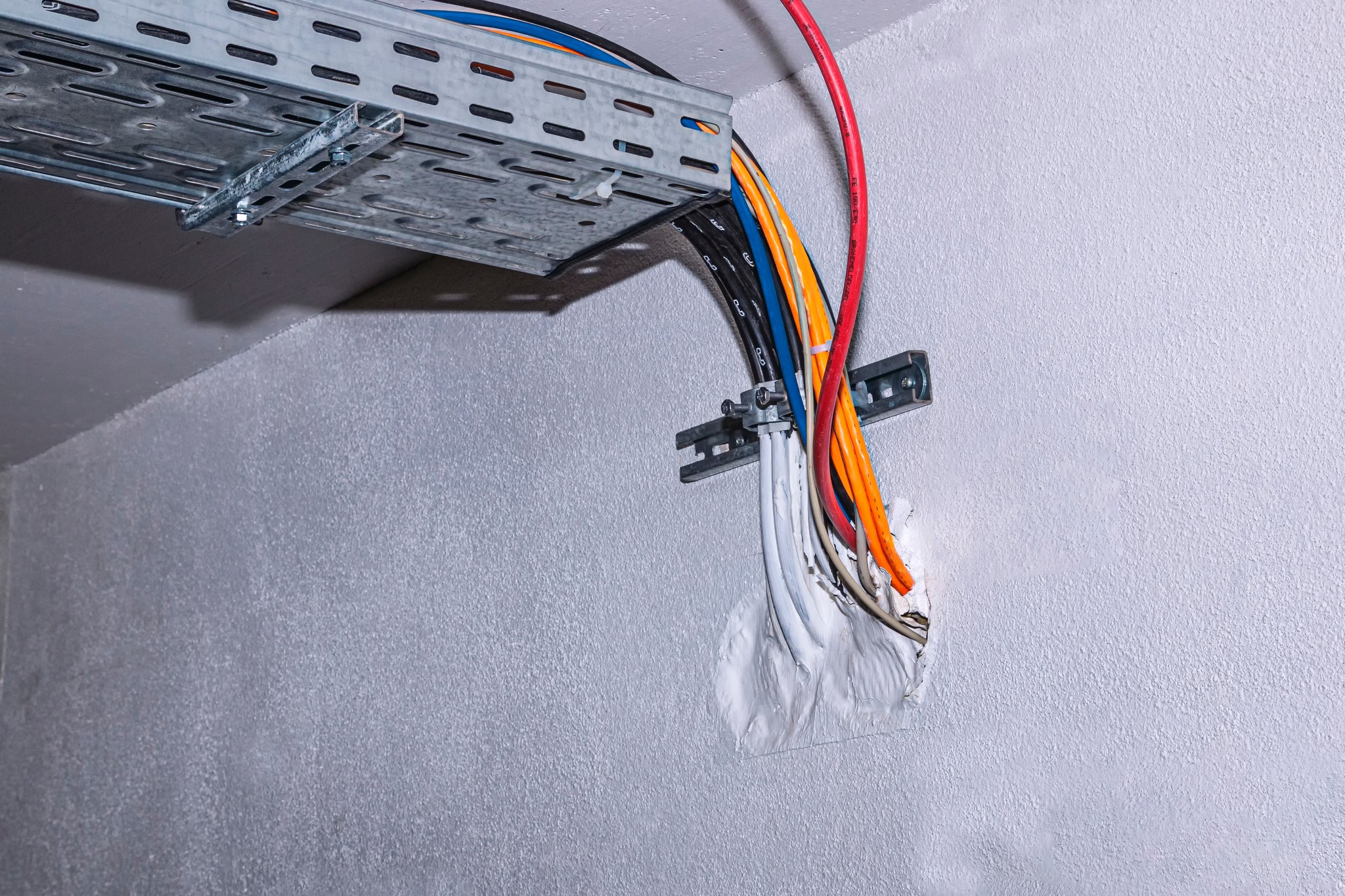
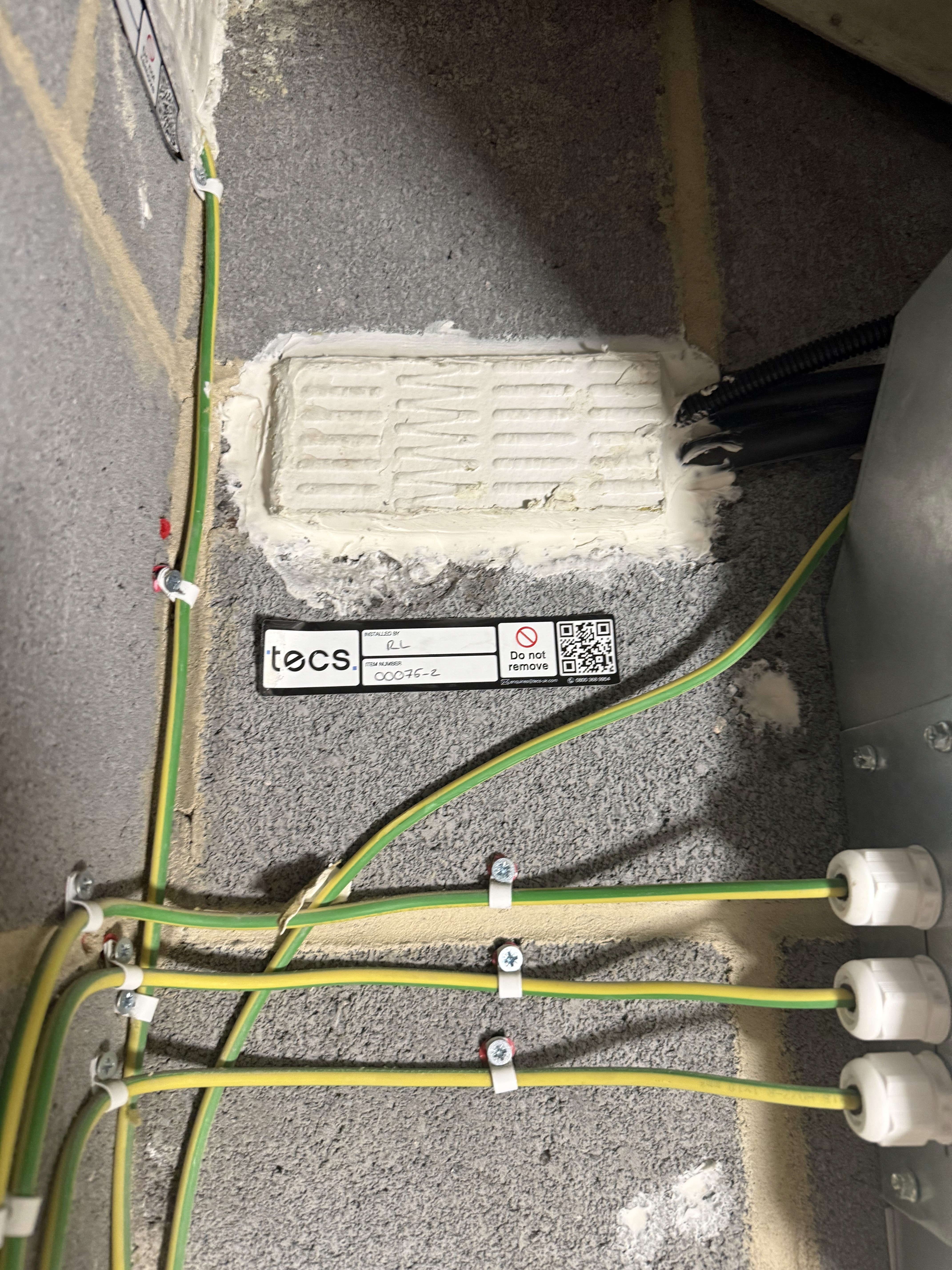
Fire stopping is passive fire protection that seals openings, joints, and penetrations in fire-resistant walls, floors, and ceilings to prevent the spread of fire, smoke, and gases. It uses fire-resistant materials like intumescent seals or mortars around services such as pipes and cables, which expand or stay intact under heat.
How it works
Materials expand or remain stable under high temperatures to fill gaps, restoring fire resistance.
Key applications
Used in buildings for electrical, plumbing, or HVAC penetrations through fire-rated assemblies.
What is fire stopping?
Fire stopping is passive fire protection that seals openings, joints, and penetrations in fire-resistant walls, floors, and ceilings to prevent the spread of fire, smoke, and gases. It uses fire-resistant materials like intumescent seals or mortars around services such as pipes and cables, which expand or stay intact under heat.
How it works
Materials expand or remain stable under high temperatures to fill gaps, restoring fire resistance.
Key applications
Used in buildings for electrical, plumbing, or HVAC penetrations through fire-rated assemblies.
What is fire stopping?
Fire stopping is passive fire protection that seals openings, joints, and penetrations in fire-resistant walls, floors, and ceilings to prevent the spread of fire, smoke, and gases. It uses fire-resistant materials like intumescent seals or mortars around services such as pipes and cables, which expand or stay intact under heat.
How it works
Materials expand or remain stable under high temperatures to fill gaps, restoring fire resistance.
Key applications
Used in buildings for electrical, plumbing, or HVAC penetrations through fire-rated assemblies.
Fire Stopping Matters
Why Fire Stopping is Important
Effective fire stopping is essential for building safety and compliance. Here's why it matters:
Key Facts:
Fire Doors Matter
Why Fire Stopping is Important
Effective fire stopping is essential for building safety and compliance. Here's why it matters:
Key Facts:
Fire Doors Matter
Why Fire Stopping is Important
Effective fire stopping is essential for building safety and compliance. Here's why it matters:
Key Facts:
#1 for Fire Stopping
Why Choose TECS for Fire Stopping?
With highly skilled engineers and excellent back office support, you're in good hands
BM Trada Certified
BM TRADA Q-Mark certification, ensuring we deliver compliant solutions
Dedicated Helpdesk
We have a dedicated helpdesk to answer any queries
OneTrace Platform Technology
Audit-ready evidence with photographic proof and traceable records
QR Code Accessible Reports
Access previous work and surveys by scanning the QR code
Skilled Engineers
All work and surveys carried out by BM Trada trained engineers
Compliance Advice
Our advisors are on hand to advise you on passive fire compliance
#1 for Fire Stopping
Why Choose TECS for Fire Stopping?
With highly skilled engineers and excellent back office support, you're in good hands
BM Trada Certified
BM TRADA Q-Mark certification, ensuring we deliver compliant solutions
Dedicated Helpdesk
We have a dedicated helpdesk to answer any queries
OneTrace Platform Technology
Audit-ready evidence with photographic proof and traceable records
QR Code Accessible Reports
Access previous work and surveys by scanning the QR code
Skilled Engineers
All work and surveys carried out by BM Trada trained engineers
Compliance Advice
Our advisors are on hand to advise you on passive fire compliance
#1 for Fire Stopping
Why Choose TECS for Fire Stopping?
With highly skilled engineers and excellent back office support, you're in good hands
BM Trada Certified
BM TRADA Q-Mark certification, ensuring we deliver compliant solutions
Dedicated Helpdesk
We have a dedicated helpdesk to answer any queries
OneTrace Platform Technology
Audit-ready evidence with photographic proof and traceable records
QR Code Accessible Reports
Access previous work and surveys by scanning the QR code
Skilled Engineers
All work and surveys carried out by BM Trada trained engineers
Compliance Advice
Our advisors are on hand to advise you on passive fire compliance


Trusted by small and large companies










Trusted by small and large companies
Trusted by small and large companies
FAQ
Frequently Asked Questions
What legislation governs fire stopping?
Fire stopping is regulated by the Building Regulations 2010 (England and Wales), particularly Approved Document B, which requires compartmentation and sealing of penetrations to maintain fire resistance. The Regulatory Reform (Fire Safety) Order 2005 mandates fire risk assessments and prevention in non-domestic buildings. The Fire Safety Act 2021 clarifies responsibilities for multi-occupied residential buildings, while the Building Safety Act 2022 enhances accountability for high-risk structures. Compliance often references standards like BS 476 and BS EN 1366.
What are the benefits of using BM TRADA certified installers?
It ensures quality installations, boosts tender competitiveness, builds client trust, reduces liability, and enhances reputation for repeat business. It also provides scheme updates and project opportunities.
What is OneTrace and how does it relate to fire stopping?
OneTrace is software for fire protection subcontractors to manage projects, ensure compliance, and track efficiency. For fire stopping, it handles workflows, material tracking, photo evidence, variations, and documentation aligned with accreditations like BM TRADA via mobile apps and real-time reports.
How can OneTrace help with compliance and use in fire stopping projects?
It automates signatures, tracks status in real-time, captures on-site evidence, manages materials/variations, and generates reports. It supports BM TRADA workflows, reduces errors, enables remote access, and ensures traceable installations without off-site paperwork.
What are the types of materials used in fire stopping?
Common types include intumescent sealants that expand under heat, fire-rated mortars for filling voids, putty pads for electrical outlets, collars and wraps for pipes and cables, mineral wool or ablative coated batts for larger openings, pillows or blocks for temporary seals, and sleeves or cushions for penetrations. Materials are selected based on the application, fire rating, and compatibility with penetrating items.
Who is responsible for fire stopping?
The 'Responsible Person' under the Regulatory Reform (Fire Safety) Order 2005 is accountable, typically the employer, building owner, landlord, occupier, or anyone controlling the premises. In construction, architects, contractors, and installers share liability for proper design and installation per Building Regulations. Ongoing maintenance falls on the Responsible Person to ensure compliance.
FAQ
Frequently Asked Questions
What legislation governs fire stopping?
Fire stopping is regulated by the Building Regulations 2010 (England and Wales), particularly Approved Document B, which requires compartmentation and sealing of penetrations to maintain fire resistance. The Regulatory Reform (Fire Safety) Order 2005 mandates fire risk assessments and prevention in non-domestic buildings. The Fire Safety Act 2021 clarifies responsibilities for multi-occupied residential buildings, while the Building Safety Act 2022 enhances accountability for high-risk structures. Compliance often references standards like BS 476 and BS EN 1366.
What are the benefits of using BM TRADA certified installers?
It ensures quality installations, boosts tender competitiveness, builds client trust, reduces liability, and enhances reputation for repeat business. It also provides scheme updates and project opportunities.
What is OneTrace and how does it relate to fire stopping?
OneTrace is software for fire protection subcontractors to manage projects, ensure compliance, and track efficiency. For fire stopping, it handles workflows, material tracking, photo evidence, variations, and documentation aligned with accreditations like BM TRADA via mobile apps and real-time reports.
How can OneTrace help with compliance and use in fire stopping projects?
It automates signatures, tracks status in real-time, captures on-site evidence, manages materials/variations, and generates reports. It supports BM TRADA workflows, reduces errors, enables remote access, and ensures traceable installations without off-site paperwork.
What are the types of materials used in fire stopping?
Common types include intumescent sealants that expand under heat, fire-rated mortars for filling voids, putty pads for electrical outlets, collars and wraps for pipes and cables, mineral wool or ablative coated batts for larger openings, pillows or blocks for temporary seals, and sleeves or cushions for penetrations. Materials are selected based on the application, fire rating, and compatibility with penetrating items.
Who is responsible for fire stopping?
The 'Responsible Person' under the Regulatory Reform (Fire Safety) Order 2005 is accountable, typically the employer, building owner, landlord, occupier, or anyone controlling the premises. In construction, architects, contractors, and installers share liability for proper design and installation per Building Regulations. Ongoing maintenance falls on the Responsible Person to ensure compliance.
FAQ
Frequently Asked Questions
What legislation governs fire stopping?
Fire stopping is regulated by the Building Regulations 2010 (England and Wales), particularly Approved Document B, which requires compartmentation and sealing of penetrations to maintain fire resistance. The Regulatory Reform (Fire Safety) Order 2005 mandates fire risk assessments and prevention in non-domestic buildings. The Fire Safety Act 2021 clarifies responsibilities for multi-occupied residential buildings, while the Building Safety Act 2022 enhances accountability for high-risk structures. Compliance often references standards like BS 476 and BS EN 1366.
What are the benefits of using BM TRADA certified installers?
It ensures quality installations, boosts tender competitiveness, builds client trust, reduces liability, and enhances reputation for repeat business. It also provides scheme updates and project opportunities.
What is OneTrace and how does it relate to fire stopping?
OneTrace is software for fire protection subcontractors to manage projects, ensure compliance, and track efficiency. For fire stopping, it handles workflows, material tracking, photo evidence, variations, and documentation aligned with accreditations like BM TRADA via mobile apps and real-time reports.
How can OneTrace help with compliance and use in fire stopping projects?
It automates signatures, tracks status in real-time, captures on-site evidence, manages materials/variations, and generates reports. It supports BM TRADA workflows, reduces errors, enables remote access, and ensures traceable installations without off-site paperwork.
What are the types of materials used in fire stopping?
Common types include intumescent sealants that expand under heat, fire-rated mortars for filling voids, putty pads for electrical outlets, collars and wraps for pipes and cables, mineral wool or ablative coated batts for larger openings, pillows or blocks for temporary seals, and sleeves or cushions for penetrations. Materials are selected based on the application, fire rating, and compatibility with penetrating items.
Who is responsible for fire stopping?
The 'Responsible Person' under the Regulatory Reform (Fire Safety) Order 2005 is accountable, typically the employer, building owner, landlord, occupier, or anyone controlling the premises. In construction, architects, contractors, and installers share liability for proper design and installation per Building Regulations. Ongoing maintenance falls on the Responsible Person to ensure compliance.
Ready to discuss your Fire Stopping needs?
Our team of highly knowledgable experts are ready to help
Ready to discuss your Fire Stopping needs?
Our team of highly knowledgable experts are ready to help
Ready to discuss your Fire Stopping needs?
Our team of highly knowledgable experts are ready to help