
Passive Fire Protection Specialists
Safeguarding lives and buildings with expert passive fire protection solutions
Safeguarding lives and buildings with expert passive fire protection solutions
Safeguarding lives and buildings with expert passive fire protection solutions
Fully Accredited for your peace of mind






Fully Accredited for your peace of mind
Fully Accredited for your peace of mind
Your #1 Choice for Passive Fire Protection
Welcome to TECS, a leading provider of passive fire protection installation services, proudly accredited by BM TRADA for our expertise in fire safety solutions.With an unwavering commitment to safety, quality, and compliance, we specialise in delivering tailored fire door and fire stopping solutions to effectively safeguard buildings and their occupants against fire risks.
Your #1 Choice for Passive Fire Protection
Welcome to TECS, a leading provider of passive fire protection installation services, proudly accredited by BM TRADA for our expertise in fire safety solutions.With an unwavering commitment to safety, quality, and compliance, we specialise in delivering tailored fire door and fire stopping solutions to effectively safeguard buildings and their occupants against fire risks.
Your #1 Choice for Passive Fire Protection
Welcome to TECS, a leading provider of passive fire protection installation services, proudly accredited by BM TRADA for our expertise in fire safety solutions.With an unwavering commitment to safety, quality, and compliance, we specialise in delivering tailored fire door and fire stopping solutions to effectively safeguard buildings and their occupants against fire risks.
What is passive fire protection?
Passive fire protection (PFP) refers to built-in building components that slow or block the spread of fire, smoke, and heat without requiring activation or power. It emphasises containment through fire-resistant materials and compartmentation, aiding safe evacuation, fire service intervention, and structural protection.
Key Components
Essential components include fire-resistant walls, floors, and ceilings for thermal containment and structural integrity; self-closing fire doors and glazing for sealed compartments and egress; intumescent paints or wraps that expand to protect steel/wood elements; firestopping seals (e.g., collars, mortars) for penetrations like ducts or cables; and fire-rated partitions to divide spaces and limit propagation.

What is passive fire protection?
Passive fire protection (PFP) refers to built-in building components that slow or block the spread of fire, smoke, and heat without requiring activation or power. It emphasises containment through fire-resistant materials and compartmentation, aiding safe evacuation, fire service intervention, and structural protection.
Key Components
Essential components include fire-resistant walls, floors, and ceilings for thermal containment and structural integrity; self-closing fire doors and glazing for sealed compartments and egress; intumescent paints or wraps that expand to protect steel/wood elements; firestopping seals (e.g., collars, mortars) for penetrations like ducts or cables; and fire-rated partitions to divide spaces and limit propagation.
What is passive fire protection?
Passive fire protection (PFP) refers to built-in building components that slow or block the spread of fire, smoke, and heat without requiring activation or power. It emphasises containment through fire-resistant materials and compartmentation, aiding safe evacuation, fire service intervention, and structural protection.
Key Components
Essential components include fire-resistant walls, floors, and ceilings for thermal containment and structural integrity; self-closing fire doors and glazing for sealed compartments and egress; intumescent paints or wraps that expand to protect steel/wood elements; firestopping seals (e.g., collars, mortars) for penetrations like ducts or cables; and fire-rated partitions to divide spaces and limit propagation.
Passive Fire Protection Matters
Why is passive fire protection important?
Effective passive fire protection is essential for building safety and compliance. Here's why it matters:
Fire Doors Matter
Why is passive fire protection important?
Effective passive fire protection is essential for building safety and compliance. Here's why it matters:
Key Facts:
Fire Doors Matter
Why is passive fire protection important?
Effective passive fire protection is essential for building safety and compliance. Here's why it matters:
Key Facts:
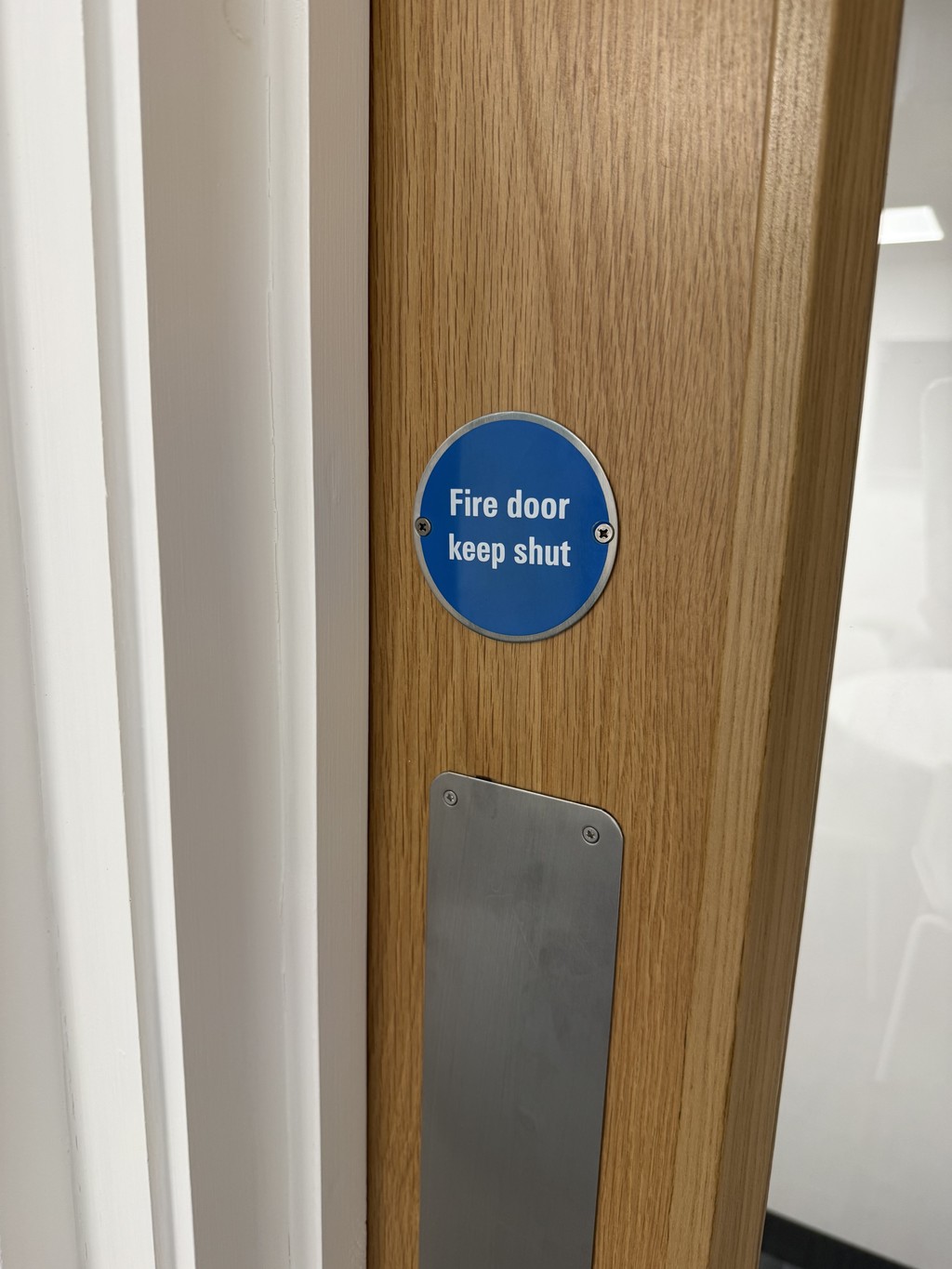
Fire Door Installations
Professional fire door installations carried out by our team of BM Trada trained experts
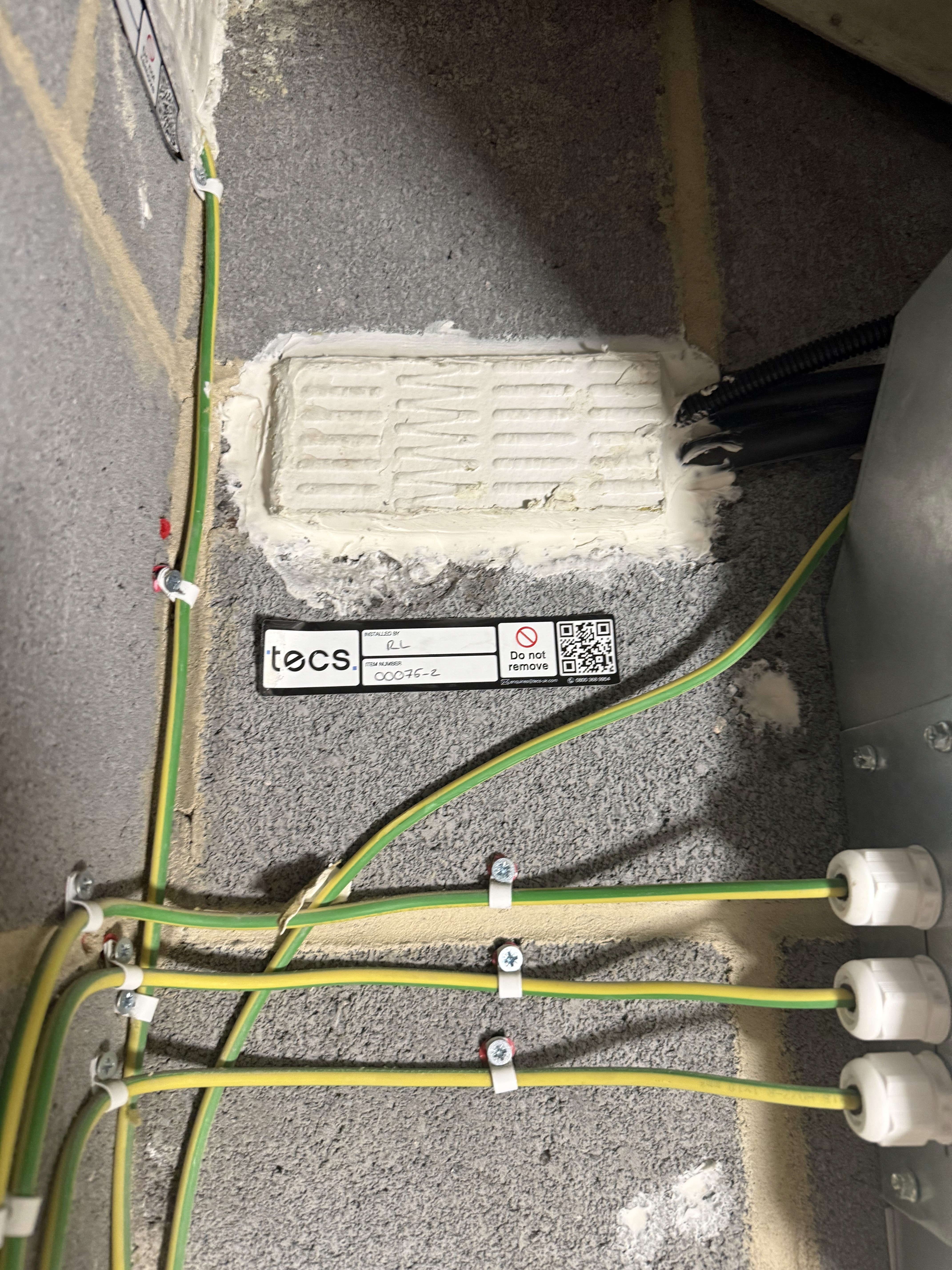
Fire Stopping
Professional fire stopping installations carried out by our team of BM Trada trained experts

Fire Door Inspections
Keep your building compliant with our comprehensive certified fire door inspection service

Compartmentation Surveys
Ensure your buildings fire integrity is compliant witth our compartmentation survey

Fire Door Maintenance
Maintenance and remediation service for you fire doors is essential to ensure ongoing compliance
Fire Door Installations
Professional fire door installations carried out by our team of BM Trada trained experts
Fire Stopping
Professional fire stopping installations carried out by our team of BM Trada trained experts
Fire Door Inspections
Keep your building compliant with our comprehensive certified fire door inspection service
Compartmentation Surveys
Ensure your buildings fire integrity is compliant witth our compartmentation survey
Fire Door Maintenance
Maintenance and remediation service for you fire doors is essential to ensure ongoing compliance
Fire Door Installations
Professional fire door installations carried out by our team of BM Trada trained experts
Fire Stopping
Professional fire stopping installations carried out by our team of BM Trada trained experts
Fire Door Inspections
Keep your building compliant with our comprehensive certified fire door inspection service
Compartmentation Surveys
Ensure your buildings fire integrity is compliant witth our compartmentation survey
Fire Door Maintenance
Maintenance and remediation service for you fire doors is essential to ensure ongoing compliance
#1 for Passive Fire Protection
Why Choose TECS for Passive Fire Protection?
With highly skilled engineers and excellent back office support, you're in good hands
BM Trada Certified
BM TRADA Q-Mark certification, ensuring we deliver compliant solutions
Dedicated Helpdesk
We have a dedicated helpdesk to answer any queries
OneTrace Platform Technology
Audit-ready evidence with photographic proof and traceable records
QR Code Accessible Reports
Access previous work and surveys by scanning the QR code
Skilled Engineers
All work and surveys carried out by BM Trada trained engineers
Compliance Advice
Our advisors are on hand to advise you on passive fire compliance
#1 for Passive Fire Protection
Why Choose TECS for Passive Fire Protection?
With highly skilled engineers and excellent back office support, you're in good hands
BM Trada Certified
BM TRADA Q-Mark certification, ensuring we deliver compliant solutions
Dedicated Helpdesk
We have a dedicated helpdesk to answer any queries
OneTrace Platform Technology
Audit-ready evidence with photographic proof and traceable records
QR Code Accessible Reports
Access previous work and surveys by scanning the QR code
Skilled Engineers
All work and surveys carried out by BM Trada trained engineers
Compliance Advice
Our advisors are on hand to advise you on passive fire compliance
#1 for Passive Fire Protection
Why Choose TECS for Passive Fire Protection?
With highly skilled engineers and excellent back office support, you're in good hands
BM Trada Certified
BM TRADA Q-Mark certification, ensuring we deliver compliant solutions
Dedicated Helpdesk
We have a dedicated helpdesk to answer any queries
OneTrace Platform Technology
Audit-ready evidence with photographic proof and traceable records
QR Code Accessible Reports
Access previous work and surveys by scanning the QR code
Skilled Engineers
All work and surveys carried out by BM Trada trained engineers
Compliance Advice
Our advisors are on hand to advise you on passive fire compliance



Trusted by small and large companies











Trusted by small and large companies
Trusted by small and large companies
FAQ
Frequently Asked Questions
How does passive fire differ from active fire protection?
Passive fire protection (PFP) involves built-in, non-mechanical systems like fire-resistant walls, doors, and intumescent coatings that contain fire and smoke without requiring activation, offering low maintenance and no reliance on power but unable to extinguish fires.
Why is it important?
In the UK, PFP plays a critical role in safeguarding occupants, preserving building integrity, and curbing property damage by slowing fire progression. Heightened focus following events like Grenfell has underscored its value in enhancing overall resilience and supporting evacuation protocols.
What are the key components?
Essential elements include fire-resistant doors and shutters for blocking pathways, walls and floors to form barriers, dampers in ventilation systems to halt spread through ducts, and expandable sealants or coatings that protect structures by filling voids under heat. Proper certification and setup are vital for effectiveness.
What legislation apply?
Core rules encompass the Building Regulations 2010 with Approved Document B, which outlines fire safety for new and altered structures in England and Wales (similar frameworks apply in Scotland and Northern Ireland). The Regulatory Reform (Fire Safety) Order 2005 mandates risk evaluations and upkeep for non-residential properties. Taller buildings (over 18m or 7 storeys) require additional oversight.
Who ensures compliance?
The designated "Responsible Person," typically the owner or manager, oversees assessments, implementation, and records. During building phases, architects, contractors, and local authorities verify adherence through approvals.
Maintenance requirements?
Ongoing checks are essential, including routine examinations of doors for fit and function, dampers for operation, and seals for integrity. Fire risk reviews should guide schedules, with documentation in a dedicated register; expert audits help maintain standards.
FAQ
Frequently Asked Questions
How does passive fire differ from active fire protection?
Passive fire protection (PFP) involves built-in, non-mechanical systems like fire-resistant walls, doors, and intumescent coatings that contain fire and smoke without requiring activation, offering low maintenance and no reliance on power but unable to extinguish fires.
Why is it important?
In the UK, PFP plays a critical role in safeguarding occupants, preserving building integrity, and curbing property damage by slowing fire progression. Heightened focus following events like Grenfell has underscored its value in enhancing overall resilience and supporting evacuation protocols.
What are the key components?
Essential elements include fire-resistant doors and shutters for blocking pathways, walls and floors to form barriers, dampers in ventilation systems to halt spread through ducts, and expandable sealants or coatings that protect structures by filling voids under heat. Proper certification and setup are vital for effectiveness.
What legislation apply?
Core rules encompass the Building Regulations 2010 with Approved Document B, which outlines fire safety for new and altered structures in England and Wales (similar frameworks apply in Scotland and Northern Ireland). The Regulatory Reform (Fire Safety) Order 2005 mandates risk evaluations and upkeep for non-residential properties. Taller buildings (over 18m or 7 storeys) require additional oversight.
Who ensures compliance?
The designated "Responsible Person," typically the owner or manager, oversees assessments, implementation, and records. During building phases, architects, contractors, and local authorities verify adherence through approvals.
Maintenance requirements?
Ongoing checks are essential, including routine examinations of doors for fit and function, dampers for operation, and seals for integrity. Fire risk reviews should guide schedules, with documentation in a dedicated register; expert audits help maintain standards.
FAQ
Frequently Asked Questions
How does passive fire differ from active fire protection?
Passive fire protection (PFP) involves built-in, non-mechanical systems like fire-resistant walls, doors, and intumescent coatings that contain fire and smoke without requiring activation, offering low maintenance and no reliance on power but unable to extinguish fires.
Why is it important?
In the UK, PFP plays a critical role in safeguarding occupants, preserving building integrity, and curbing property damage by slowing fire progression. Heightened focus following events like Grenfell has underscored its value in enhancing overall resilience and supporting evacuation protocols.
What are the key components?
Essential elements include fire-resistant doors and shutters for blocking pathways, walls and floors to form barriers, dampers in ventilation systems to halt spread through ducts, and expandable sealants or coatings that protect structures by filling voids under heat. Proper certification and setup are vital for effectiveness.
What legislation apply?
Core rules encompass the Building Regulations 2010 with Approved Document B, which outlines fire safety for new and altered structures in England and Wales (similar frameworks apply in Scotland and Northern Ireland). The Regulatory Reform (Fire Safety) Order 2005 mandates risk evaluations and upkeep for non-residential properties. Taller buildings (over 18m or 7 storeys) require additional oversight.
Who ensures compliance?
The designated "Responsible Person," typically the owner or manager, oversees assessments, implementation, and records. During building phases, architects, contractors, and local authorities verify adherence through approvals.
Maintenance requirements?
Ongoing checks are essential, including routine examinations of doors for fit and function, dampers for operation, and seals for integrity. Fire risk reviews should guide schedules, with documentation in a dedicated register; expert audits help maintain standards.
Ready to Safeguard Your Building? Let's Connect!
Our team of highly knowledgable experts are ready to help
Ready to Safeguard Your Building? Let's Connect!
Our team of highly knowledgable experts are ready to help
Ready to Safeguard Your Building? Let's Connect!
Our team of highly knowledgable experts are ready to help